
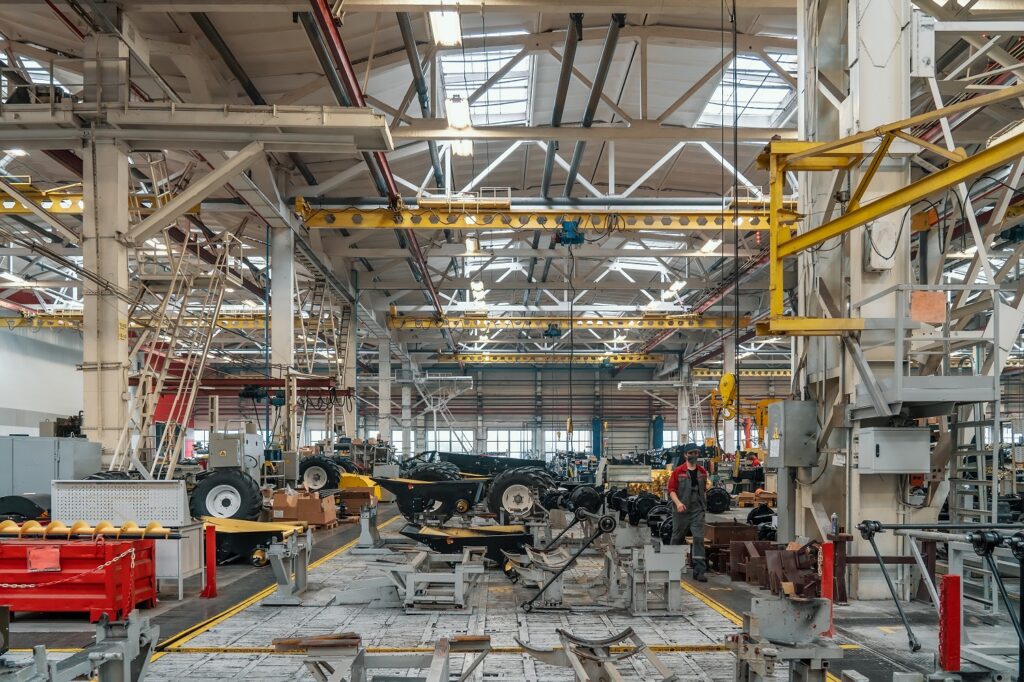
The South African tyre manufacturing sector is undergoing critical restructuring to ensure its sustainability through modernisation, value-added services and local integration.By 2026, South Africa had three large tyre manufacturing factories remaining; Bridgestone’s Brits facility, Continental’s plant at the Struandale industrial area in Gqeberha and Sumitomo’s Dunlop factory in Ladysmith, KwaZulu-Natal. The mining industry counts these entities as both substantial users of its high-value steel, carbon products, synthetic rubber and various minerals, as well as replacement tyre suppliers for their massive, highly specialised earthmovers, haul trucks and loaders.
Original equipment manufacturers including Volkswagen, BMW, Toyota, Isuzu, Ford and Mercedes-Benz depend on them for their range variety of passenger, SUV and commercial vehicles destined for local and export markets. Retail consumers here know that these tyres come from reputable producers, backed by a mature dealer base, tyre damage warranties, national service portability and technical support. Fleet consumers get the most out of these premium tyres through high quality, fleet management software and on-site breakdown support.
Community integration
Within the communities in which they operate, tyre makers are rich learning environments for local youth, offering study bursaries, internships, jobs and even entrepreneurship programmes. Their presence in these provinces is crucial to investment in local infrastructure and environmental programmes, enabling local communities to thrive economically while ensuring safety and cleanliness.
Industrial capacity and electric evolution
This is more than a supply chain. This is an advanced eco-system of industrial capacity that is essential to the increasing sophistication of a developing economy. This means that the same systems that support the tyre industry are the same that will ensure the successful scaling of other innovations, like the electric and hybrid vehicle market. The same logistics networks that drive the tyre industry will support the manufacturing, storage and transportation of batteries and other key components. The same local retail system comprising accredited tyre fitment centres will be essential in expanding charging infrastructure.
This will be especially critical on the long haul routes between the main metropolitan centres, notoriously lacking in charging stations, even in developed markets. As the Government and car makers grapple with the demand for electric vehicles and hybrids, locally and in export markets insights from tyre producers will be critical. The unique South African road conditions will require at least some local manufacturing of specialised electric/hybrid vehicle tyres.
The long-term road
The investment needed in the tyre and related industry over the coming years calls for a policy that supports a stable regulatory climate. This includes clarity on the country’s updated energy transition including electric vehicle targets strategy, trade controls especially anti-dumping legislation, a transport infrastructure plan and financial incentives.
Working together with the auto industry, regulators have the opportunity to chart a unique South African economic road map that not only offers comfort to existing companies, but also attracts foreign investors looking to plant new seeds of technological innovation and industrial growth.
End