
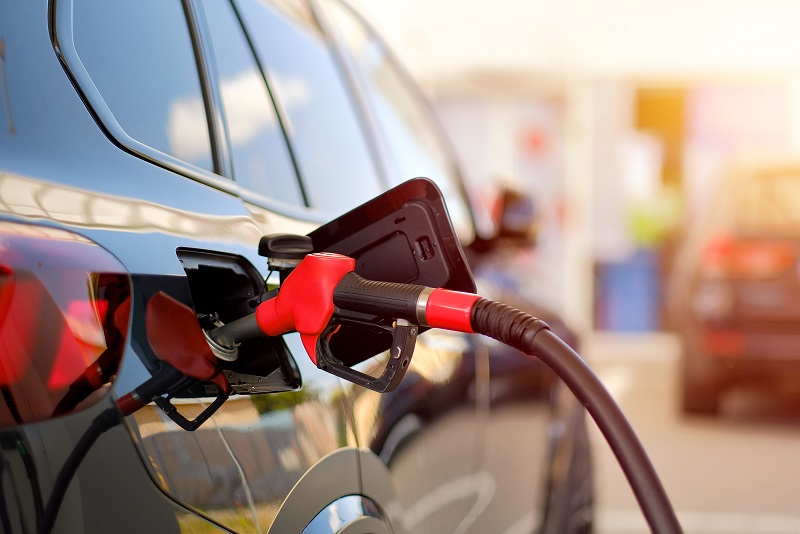
Come April, the daily school run, the commute to work, and even a quick trip to the shops could cost South African motorists noticeably more.
With fuel prices expected to spike, drivers are encouraged to take steps to improve driving habits and tyre care.
Factors such as under-inflated tyres, uneven tread wear and incorrect wheel alignment can significantly increase fuel consumption – meaning motorists could be burning more fuel, and money – as much as 10% more than necessary.
Technical tyre expert at Dunlop Tyres SA, Keith Phelps, said drivers can reduce unnecessary fuel spend simply by paying closer attention to tyre care.
“Everyone is talking about the expected fuel increases, and it’s something that’s outside of our control. However, there is something we can control. As drivers, it’s our responsibility to correct any actions or oversights that may be contributing to higher costs, because no one wants to pay more for everyday trips to school and work,” said Phelps.
“At Dunlop, we build the tyres, so we understand how poorly maintained tyres contribute to higher fuel consumption. By taking care of the basics and regularly inspecting tyres, motorists can avoid issues that quietly increase their fuel usage.”
Below are several tyre-related factors motorists should keep in mind when trying to manage fuel costs.
Managing tyre inflation
Under-inflated tyres increase the surface area in contact with the road, creating higher rolling resistance and increasing fuel consumption by up to 10%. Tyres should be inflated when cold – ideally after the vehicle has been parked overnight – as heat from driving can lead to inaccurate pressure readings.
Motorists should check tyre pressure weekly and ensure tyres are inflated according to the manufacturer’s specifications found in the vehicle manual or inside the driver’s door. Tyres that require frequent inflation may have a slow puncture and should be inspected by a reputable tyre dealer.
Tread condition matters
Uneven tread wear increases friction and forces the engine to work harder, which in turn increases fuel usage. Motorists should regularly inspect the tread wear indicators built into the tyre’s main water dispersion grooves.
These indicators are set at 1.6 mm, and when the remaining tread is level with the indicator, the tyre is considered smooth under National Road and Traffic Act Regulation 212 and must be replaced to ensure safety and performance.
Rolling resistance
Rolling resistance refers to the friction between the tyre and the road surface. Higher rolling resistance means more fuel is required to keep the vehicle moving.
Tyre pressure, tread condition and wheel alignment all influence rolling resistance. When replacing tyres, motorists should consider tyres designed with improved rolling resistance features. Manufacturers such as Dunlop use advanced rubber compounds and innovative tread patterns to produce lighter tyres with reduced rolling resistance, helping improve fuel economy.
Wheel rotation and alignment
Regular tyre rotation helps prevent irregular wear patterns that can increase fuel consumption. Passenger vehicle tyres should generally be rotated every 10,000 km, along with wheel alignment and balancing.
Vehicles with different front and rear tyre sizes may not allow for rotation. In these cases, wheel alignment and balancing should be performed every 6,000 to 8,000 km to prevent uneven wear. Incorrect alignment causes drag on the vehicle, forcing the engine to work harder and consume more fuel. Alignment checks are recommended every 10,000 km or after hitting obstacles such as potholes.
Driving style and vehicle maintenance
Aggressive driving, harsh braking and rapid acceleration increase fuel consumption and accelerate tyre wear. Drivers can improve efficiency by driving smoothly and maintaining consistent speeds.
Regular vehicle servicing – including oil changes and replacing air, oil and fuel filters – also supports optimal fuel efficiency. Motorists should inspect tyres weekly for punctures, cuts, bulges and irregular tread wear, and conduct monthly inspections to detect alignment or mechanical issues early.
Motorists may also consider tyre cover such as Dunlop Sure, which helps reduce the cost of replacing tyres damaged beyond repair. Dunlop Sure offers a free All Road Hazard Guarantee tyre insurance for 18 months, provided the purchase is done, and registered within seven days at Dunlop-branded stores.
Fuel-saving checklist for motorists
Simple tyre checks that can help reduce fuel consumption:
✔ Check tyre pressure weekly when tyres are cold
✔ Inflate tyres according to manufacturer recommendations
✔ Rotate tyres every 10,000 km
✔ Check wheel alignment after hitting potholes or kerbs
✔ Replace tyres when tread reaches 1.6 mm
✔ Avoid aggressive acceleration and braking
✔ Inspect tyres weekly for damage or uneven wear
For more information, visit www.dunloptyres.co.za or contact your nearest authorised dealer.